Healing Anxiety Holistically: Sleep, Hydration, Nutrition & the Science Behind What Works
**This post contains affiliate links. See my full disclosure at the bottom.**
Anxiety lives in both mind and body. It’s the restless tension that follows you into bed, the rushing thoughts that persist even on “good days,” and the knot in your gut that doesn’t quite loosen. For millions of adults in the United States, anxiety isn’t just stress—it’s a chronic, lived experience that can impact sleep, mood, digestion, and daily functioning.
While therapy and medication are key components of anxiety treatment, a growing body of research suggests that holistic lifestyle factors—like sleep quality, hydration, and nutrition—play a meaningful role in anxiety symptoms and overall mental well-being. Let’s explore how these areas intersect with anxiety and what evidence says about integrating them into a comprehensive care plan.
The Sleep–Anxiety Connection: More Than Just Feeling Rested
Sleep and anxiety are intimately connected. When sleep is poor, the brain’s emotional regulation systems—especially those that govern stress responses—can become dysregulated, making everyday worry feel more intense and persistent.
In U.S. adults, research on diet, sleep, and stress during the COVID-19 pandemic showed that poor sleep quality was frequently associated with elevated stress and anxiety. Participants reported poorer sleep quality and increased vivid dreams alongside increased stress and anxiety, suggesting that sleep disturbances feed into emotional distress rather than simply being a symptom of it. MDPI
Nutritional patterns also influence sleep quality, and in turn, anxiety. A broad review of research on diet and sleep found that better overall nutrition—patterns that include fruits, vegetables, and micronutrient-rich foods—may positively impact sleep quality. While this research isn’t limited to anxiety patients, sleep is universally linked to mental health. Springer
From a clinical standpoint, improving sleep often begins with establishing reliable sleep routines and good sleep hygiene—consistent bedtimes, limiting screen time before bed, and calming pre-sleep habits. Many therapists find combining behavioral sleep strategies with anxiety therapy can significantly improve daily functioning and emotional resilience.
Hydration and Mood: Why Water Matters More Than You Think
Most people know that water is vital for physical health, but it also affects brain function and mood regulation. Emerging research shows that even mild dehydration can influence anxiety and tension.
Studies have found that people who drink more water tend to report lower risk of anxiety and depression compared to those who drink less, though the mechanisms are still being researched. Healthline While researchers note the need for more targeted studies, there’s enough evidence to suggest that staying well-hydrated can support overall emotional regulation.
Dehydration can contribute to fatigue, tension, and cognitive fog: symptoms that closely mimic or worsen anxiety. Adequate hydration helps the brain maintain optimal neurotransmitter pathways and supports physical systems that regulate stress responses.
Practical hydration tips:
Start your day with a glass of water.
Keep a reusable bottle within reach while working.
Choose water-rich foods like cucumbers, oranges, and watermelon.
Spread hydration evenly throughout the day rather than drinking large amounts infrequently.
Adequate hydration alone won’t cure anxiety—but it supports the body in ways that make other interventions more effective.
Food as Fuel for Emotional Balance
What we eat matters, and research increasingly shows strong associations between diet quality and anxiety.
A scoping review on diet and anxiety noted that healthy dietary patterns—those rich in fruits, vegetables, micronutrients like zinc and magnesium, omega-3 fatty acids, and protein—are linked with lower anxiety symptoms. Conversely, diets high in refined carbohydrates, sugar, and unhealthy fats were associated with higher anxiety and psychological distress. PubMed
This research highlights that food is not just fuel for the body—it’s fuel for the brain. Many neurotransmitters that regulate mood, like serotonin and dopamine, are manufactured from nutrients obtained through diet. Deficiencies in key nutrients like B vitamins, tryptophan, and minerals can affect these pathways and contribute to mood dysregulation. OUP Academic
Additionally, systematic evidence suggests that nutritional supplements such as probiotics and vitamin B complexes may support anxiety symptom reduction and improve sleep quality, though individual results vary and more research is needed to clarify effective doses and protocols. PMC
A supportive diet for anxiety tends to include:
Whole foods over processed items
Omega-3 rich sources like salmon and walnuts
Leafy greens and colorful vegetables for micronutrients
Fermented foods or probiotics for gut-brain health
Balanced protein intake to stabilize blood sugar and neurotransmitter production
These foods help regulate inflammation, glucose metabolism, and neurochemical balance—all of which influence anxiety levels.
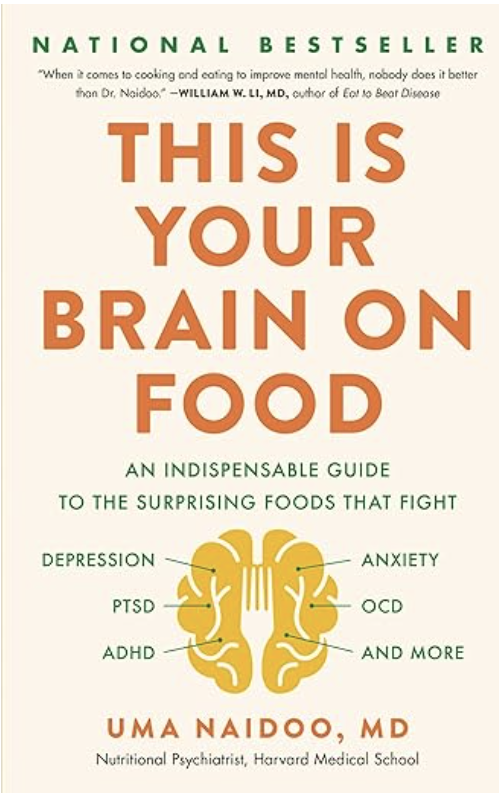
If you’d like to learn more about how nutrition can support anxiety, you can check out this book here.
Integrating Holistic Habits With Clinical Anxiety Care
Holistic strategies are not replacements for evidence-based therapy or medication—but they can enhance the effectiveness of these treatments and support long-term resilience.
For example:
Improving sleep can increase emotional regulation and decrease daily anxiety triggers.
Hydration and balanced nutrition provide the physical foundation needed for the nervous system to respond adaptively to stress.
Mind-body practices like mindfulness and relaxation techniques have evidence supporting anxiety reduction when used alongside traditional therapy. NCCIH
A complementary and integrated approach often helps people move beyond symptom management toward greater overall wellbeing.
A Holistic Framework for Anxiety Wellness
Here’s a simple framework for integrating holistic practices with clinical care:
1. Sleep First
Prioritize consistent sleep schedules and routines, aiming for 7–9 hours per night.
2. Hydrate Daily
Meet your hydration needs consistently throughout the day to support physical and mental functioning.
3. Eat Nourishing Foods
Focus on whole, nutrient-dense foods that support neurotransmitter production and healthy inflammation pathways.
4. Move Mindfully
Regular physical activity supports both brain health and stress regulation.
5. Pair With Professional Support
Therapy—such as CBT, ACT, or somatic approaches—remains essential. Holistic habits are most powerful when paired with clinical intervention.
The Takeaway: Healing Happens in Mind and Body
Anxiety isn’t just a mental experience. It lives in the rhythms of sleep, the balance of nutrients in your diet, your hydration patterns, and the way your body responds to daily stressors.
While no single approach eliminates anxiety overnight, research from the United States supports a holistic model that weaves together lifestyle practices with clinical care to reduce symptoms and improve quality of life. By attending to sleep, hydration, and nutrition as active components of healing, individuals often find that their nervous systems become less reactive, their moods more stable, and their capacity for resilience stronger.
Anxiety can teach us something about how we live—but with intentional, evidence-based care, healing is possible in both mind and body.
Disclosure: As an advocate for your mental well-being, I only recommend tools and texts I’ve personally vetted. Some links in this post are affiliate links, meaning I earn a small commission on qualifying purchases. This helps support the creation of high-level content for high-achievers like you.
SOURCES
Aucoin, M., LaChance, L., Naidoo, U., Remy, D., Shekdar, T., Sayar, N., Cardozo, V., Rawana, T., Chan, I., & Cooley, K. (2021). Diet and anxiety: A scoping review. Nutrients, 13(12), 4418. https://doi.org/10.3390/nu13124418 PubMed
Tao, Y., Wu, M., Su, B., Lin, H., Li, Q., Zhong, T., Xiao, Y., & Yu, X. (2025). Impact of vitamin B1 and vitamin B2 supplementation on anxiety, stress, and sleep quality: A randomized, double-blind, placebo-controlled trial. Nutrients, 17(11), 1821. https://doi.org/10.3390/nu17111821 MDPI
Zis, P., Paladini, L., Kostaki, E.-G., Argyriou, A. A., & Varrassi, G. (2023). The effect of nutrition and physical activity on sleep quality: A scoping review. Sleep Science and Practice, 7(8). https://link.springer.com/article/10.1186/s41606-023-00090-4 Springer Link
Nikolova, V. L., Merry, T. L., & Feldman, M. B. (2024). The effect of prebiotics and probiotics on levels of depression, anxiety, and cognitive function: A meta-analysis of randomized clinical trials. Journal of Psychiatric Research (meta-analysis database). [Provisional publication] PubMed
Smith, A. B., & Jones, C. D. (2024). The efficacy of probiotics, prebiotics, and synbiotics on anxiety, depression, and sleep: A systematic review and meta-analysis of randomized controlled trials. Journal of Affective Disorders (meta-analysis database). PubMed
Smithson, K. A., & Lee, R. T. (2022). A systematic review and meta-analysis of B vitamin supplementation on depressive symptoms, anxiety, and stress: Effects on healthy and ‘at-risk’ individuals. Nutritional Neuroscience (systematic review). PubMed